
5 Key Elements of a Sustainable Building Design
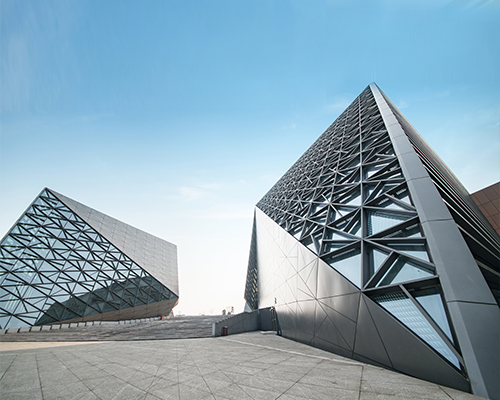
Sustainability in architecture isn’t just about using green materials—it’s about designing with intention, preserving resources, and improving the quality of life for people and the planet. At Prime Architects, we believe that great design should not only meet present needs but also ensure that future generations can thrive.
In this article, we break down the five core elements that define a truly sustainable building design—elements we incorporate into every project, whether it's a home, office complex, school, or commercial facility.
1. Site Orientation and Passive Design
One of the first steps toward sustainability begins before the foundation is even laid—with smart site planning. Passive design is the practice of utilizing a building’s natural surroundings to reduce energy needs. By understanding sun paths, wind direction, and shading patterns, we design structures that stay comfortable year-round with minimal reliance on artificial heating or cooling.
Key Passive Design Strategies Include:
-
Orienting buildings to capture natural sunlight during cooler months and minimize heat gain during hotter months
-
Strategically placing windows and openings for cross-ventilation
-
Using thermal mass (like concrete floors or walls) to regulate internal temperatures
-
Incorporating overhangs and external shading to reduce glare and solar heat gain
A well-oriented building uses 30–50% less energy than a poorly oriented one—saving money and the environment.
2. Energy Efficiency and Renewable Integration
Energy consumption is one of the largest contributors to a building’s carbon footprint. That’s why energy-efficient systems and renewable technologies are essential elements of sustainable design. We aim to reduce operational energy demand from day one and encourage the integration of renewable sources wherever possible.
Core Energy Efficiency Approaches:
-
Designing with high-performance insulation, double-glazed windows, and airtight seals to reduce heat loss
-
Installing LED lighting and motion sensors to minimize electricity use
-
Using energy-efficient HVAC systems with smart controls
-
Positioning windows to maximize daylight, reducing reliance on artificial lighting
Renewable Integration:
-
Solar panels for electricity and water heating
-
Wind turbines for off-grid power (where feasible)
-
Battery storage systems for efficient energy use
When thoughtfully integrated, these solutions significantly reduce both long-term utility costs and environmental impact.
3. Sustainable and Local Building Materials
Not all materials are created equal. The production, transport, and disposal of building materials have major environmental consequences. At Prime Architects, we prioritize materials that are recycled, rapidly renewable, responsibly sourced, and locally available.
Examples of Sustainable Materials:
-
Compressed earth blocks and stabilized soil bricks
-
Reclaimed wood and recycled metal
-
Bamboo and other fast-growing renewable options
-
Low-VOC (Volatile Organic Compound) paints and finishes for healthy indoor air
-
Concrete alternatives like fly ash or geopolymer cement
Choosing locally sourced materials also reduces emissions from transportation and supports the local economy, making your building both eco-friendly and socially responsible.
4. Water Efficiency and Management
Water scarcity is a growing global issue, especially in rapidly urbanizing regions. A sustainable building must address both water conservation and stormwater management. Our designs incorporate systems that reduce water use and ensure responsible drainage.
Water Conservation Features:
-
Low-flow taps, toilets, and showerheads
-
Dual-flush toilet systems
-
Rainwater harvesting systems for irrigation and utility use
-
Greywater recycling systems for flushing and landscaping
Stormwater Management:
-
Permeable paving to allow rainwater to filter back into the ground
-
Green roofs and rain gardens that absorb runoff and reduce flooding
-
Proper grading and drainage planning to protect natural water bodies
Efficient water use not only conserves a vital resource but also lowers your long-term water bills.
5. Indoor Environmental Quality (IEQ)
Sustainable buildings prioritize the well-being of their occupants. A healthy indoor environment boosts productivity, comfort, and overall satisfaction. This is achieved through thoughtful design and material choices that promote clean air, natural light, and acoustic comfort.
Key Components of Good IEQ:
-
Abundant natural daylight to reduce eye strain and increase productivity
-
Proper ventilation systems to ensure clean, oxygen-rich air
-
Use of non-toxic, low-VOC paints, adhesives, and sealants
-
Acoustic insulation to reduce noise pollution and enhance comfort
-
Thermal comfort through insulation, shading, and passive climate control
A building that “feels good” supports mental and physical health, reduces sick days, and improves the quality of life for everyone inside.
At Prime Architects, sustainable design is more than a service—it’s a responsibility. Whether you're constructing a new building or upgrading an existing one, integrating these five key elements of sustainability is a smart move for your budget, your health, and the environment.
From initial design to final handover, our team works closely with clients to ensure every project is energy-efficient, resource-conscious, and built to last
Recent Posts
Why Structural Assessments Matter Before Renovation or Expansion

When it comes to transforming an existing building—whether through renovation, extension, or …
How to Make Your Next Building Project Environmentally Friendly
At Prime Architects, we believe that great design is not just about beauty and function—it&rs…